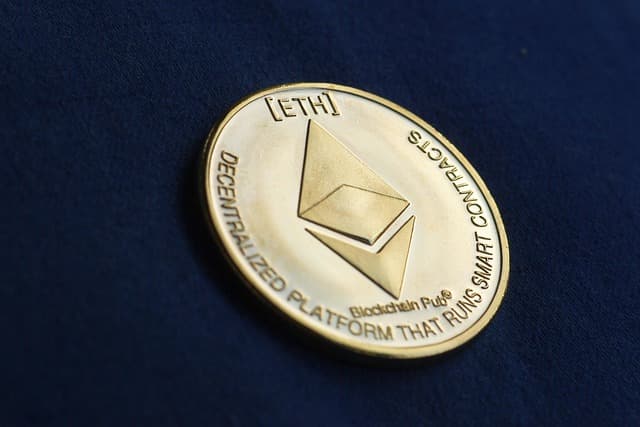
Ethereum’s transition to Proof-of-Stake (PoS), known as The Merge, was an important milestone in the network’s evolution. This step is aimed at improving the scalability and sustainability of the blockchain.
After the merge, the state of the original Ethereum mainnet was transferred to the new PoS network. This means that ETH holders do not need to take any action with their coins and should be wary of scammers who may offer to “transfer” tokens.
Introduction
Ethereum’s long-awaited transition to the Proof-of-Stake consensus mechanism has raised a natural question for many ETH holders: what to do with their coins? The answer to this question is important for the security of funds. First, let’s figure out why Ethereum switched to PoS.
What is Proof-of-Stake in Ethereum?
Before the merger, Ethereum used the same system as Bitcoin — Proof-of-Work (PoW). This mechanism allowed miners to reach consensus without a central authority and protected the network from dishonest participants.
However, PoW has a number of drawbacks:
- High energy consumption. The system protects the network by making attacks expensive, but requires a huge amount of electricity.
- Inefficiency for smart contracts. High network load and long blocks increase fees and slow down the execution of smart contracts.
- Mining complexity for individuals. Mining on large PoW networks is often controlled by a few pools, leading to centralization.
- Limited scalability. An increase in the number of transactions leads to delays and long block confirmation times.
- With the transition to PoS, the Ethereum network has abandoned mining, which allows for increased scalability and improved user experience.
Why Proof-of-Stake?
PoS is becoming increasingly popular among new blockchains. Its key advantages are:
Pros:
- Any user with native network tokens can participate in block validation.
- Significantly lower energy consumption.
- Fast transaction confirmation.
Cons:
- Possible centralization among large token holders.
- Loss of revenue for the mining industry.
- Critics consider PoS less secure compared to PoW cryptographic challenges.
What will happen to my ETH?
Your funds are safe, no action is required.
If you hold BETH (a token pegged to ETH through staking on Binance), it will be exchangeable for ETH approximately six months after the merger. BETH is a liquid token that reflects locked ETH and can be converted back to ETH.
Expectations from users and the community
Ethereum’s transition to PoS has been long-awaited and removes the limitations of the old system. The network is now more environmentally friendly, which improves the image of the blockchain industry as a whole.
The main conclusion for ETH holders: no action is required. Be wary of scammers who may offer to “transfer” tokens.